

What is Tennis Elbow?
Tennis elbow (known medically as lateral epicondylitis) is a common condition caused by overuse or strain of the forearm muscles and tendons that attach to the outside of your elbow. When these muscles are used repeatedly — for example, through lifting, typing, painting, or using tools — tiny tears can develop in the tendon, leading to pain and inflammation.
Common Causes
Despite its name, tennis elbow isn’t just for tennis players. It can affect anyone who performs repetitive arm or wrist movements.
Some common causes include:
- Repetitive gripping, lifting, or twisting (e.g., using tools, typing, gardening)
- Poor lifting technique at work or the gym
- Sudden increase in activity levels or training intensity
- Incorrect posture or ergonomics during daily tasks
Typical Symptoms
You may notice:
- Pain or burning on the outer side of the elbow
- Discomfort when lifting objects, shaking hands, or opening jars
- Weak grip strength
- Pain that worsens when using the wrist or forearm
Symptoms often start gradually and may worsen over time if not properly treated.
How Physiotherapy Can Help
Physiotherapy plays a key role in both relieving pain and preventing recurrence. A physiotherapist will:
- Assess your movement, posture, and muscle strength
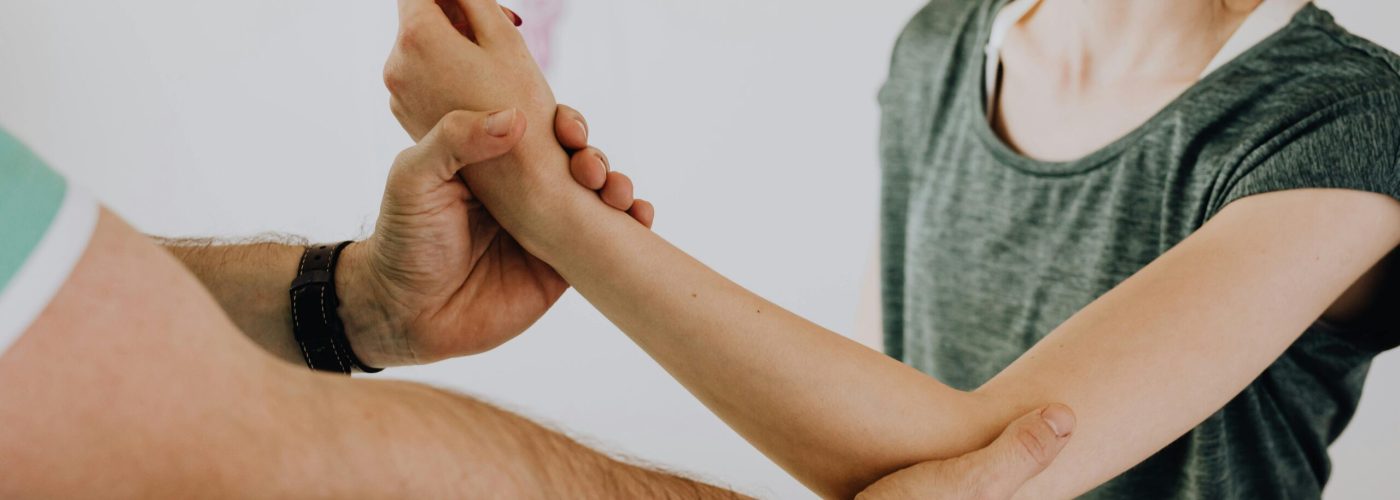
- Use hands-on therapy and soft tissue techniques to reduce tension
- Prescribe specific exercises to strengthen your forearm muscles and improve tendon healing
- Provide advice on ergonomics and activity modification to prevent further strain
- Use modalities such as ultrasound therapy, shock wave therapy, dry needling, or taping (as needed)
With consistent treatment and a proper exercise program, most people recover well within 6–12 weeks.
What You Can Do at Home
Here are a few helpful tips:
- Rest from painful activities but keep your arm gently moving
- Apply ice for 10–15 minutes several times a day during flare-ups
- Avoid repetitive wrist or gripping movements until pain settles
- Follow your physiotherapist’s exercise program closely
- Maintain good posture, especially if you work at a desk
When to Seek Help
If your elbow pain lasts longer than a few weeks or is interfering with your work, sleep, or hobbies, it’s best to see a physiotherapist. Early treatment can prevent the problem from becoming chronic and help you get back to pain-free movement faster.

At Pro Motion Health Care, our physiotherapists take a personalised and evidence-based approach to help you recover from tennis elbow. Whether it’s improving your strength, technique, or posture, we’re here to guide you every step of the way — so you can get back to doing what you love, pain-free.